Feel Peace

Petrion Hotel

Online & Secure Booking

Prices 66.00 EUR starting today!

Explore Our Rooms

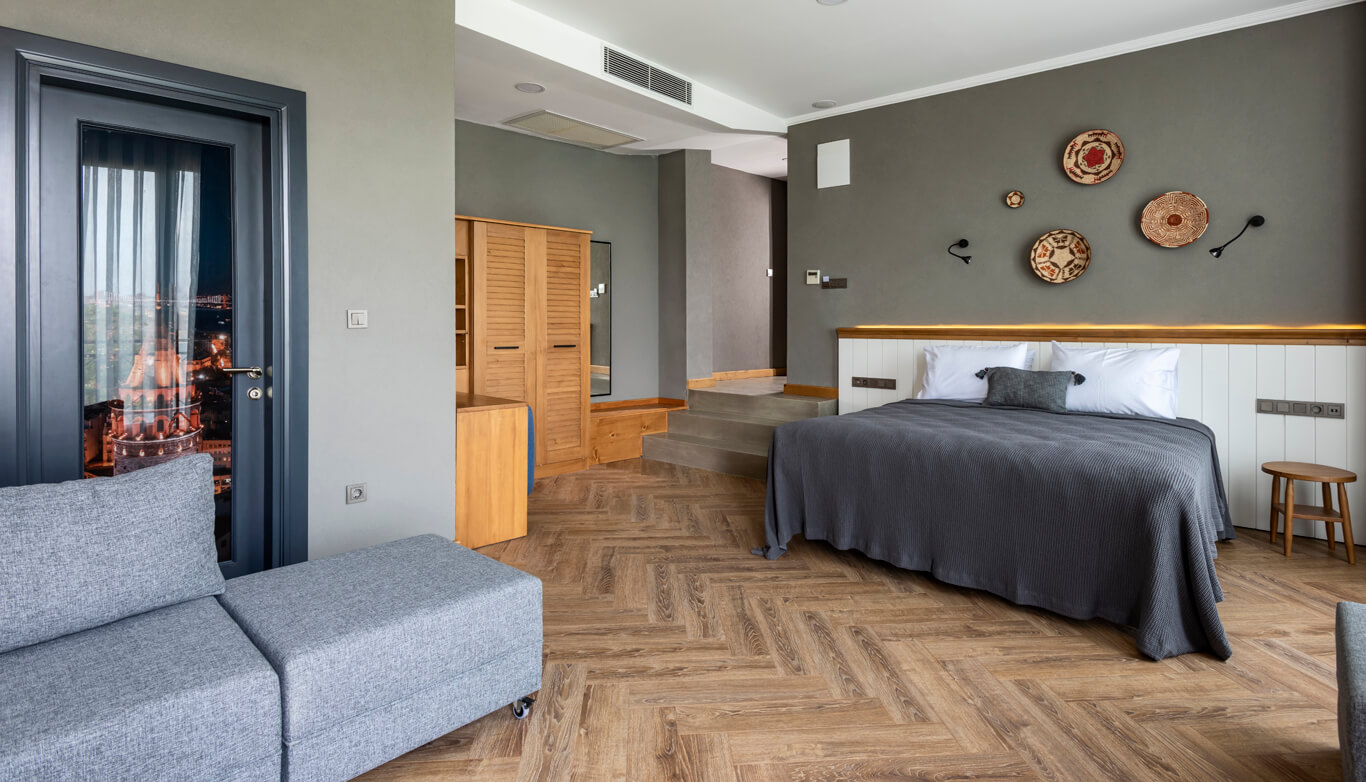
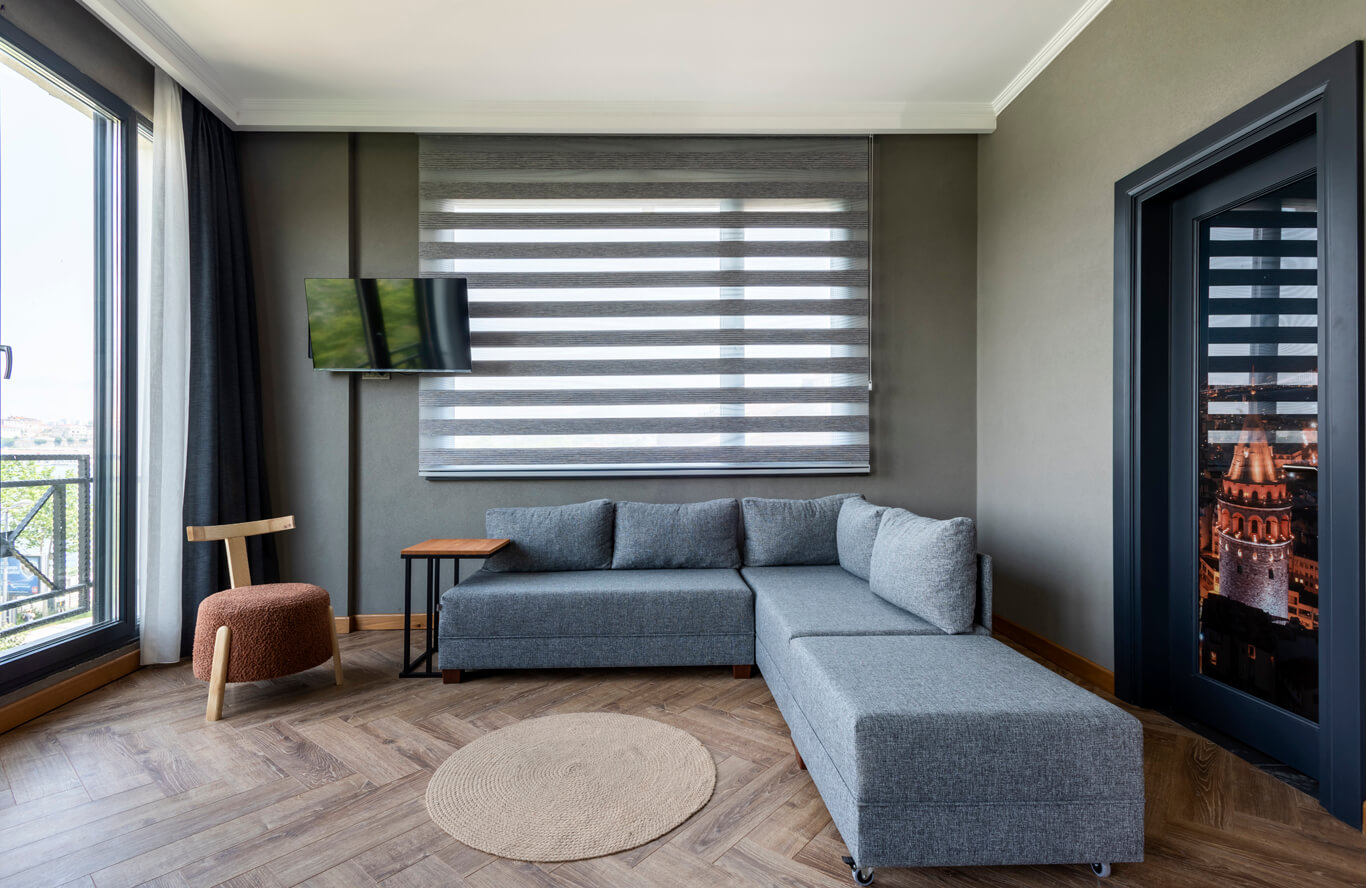
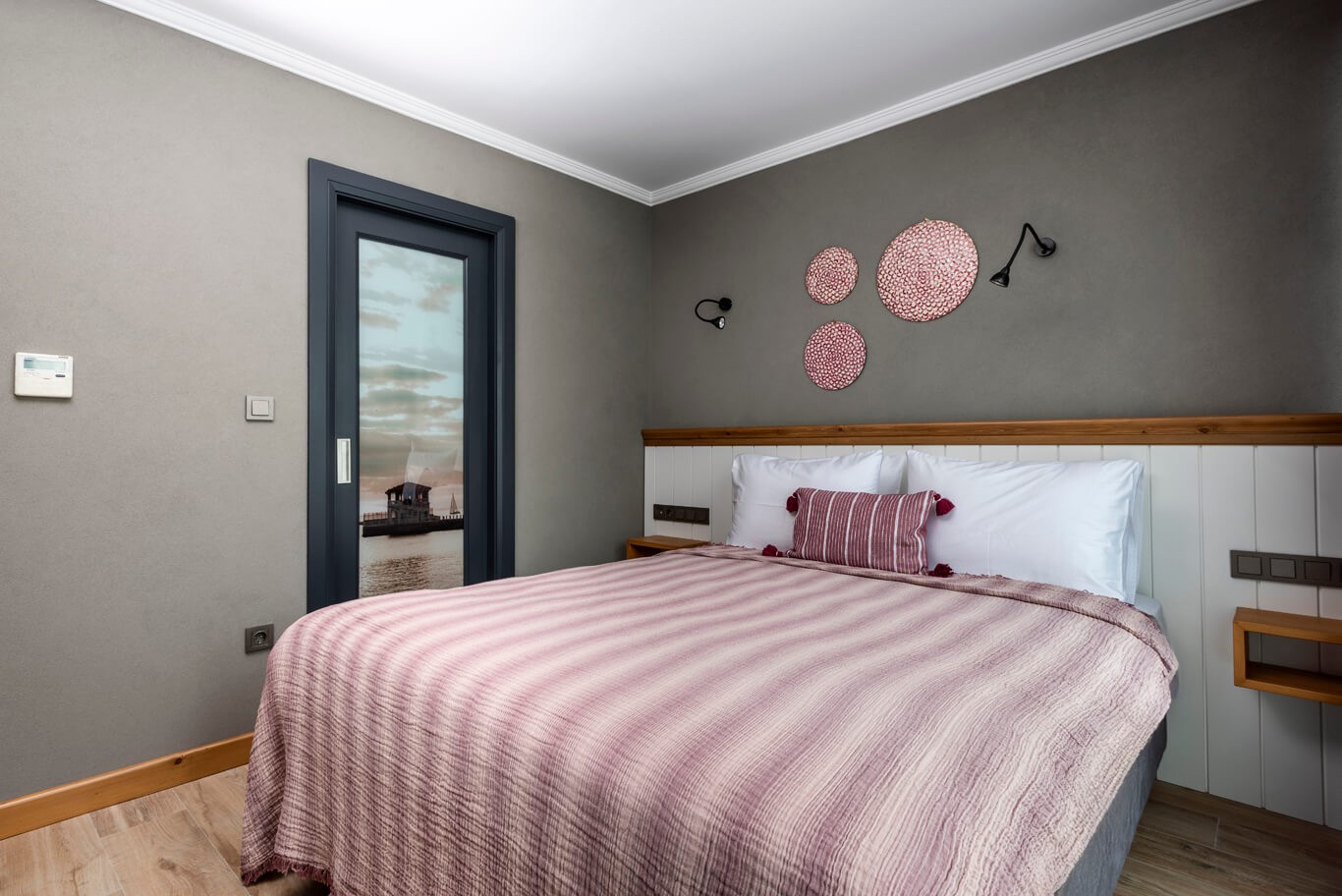
Junior Süit Deniz Manzaralı, Petrion Hotel
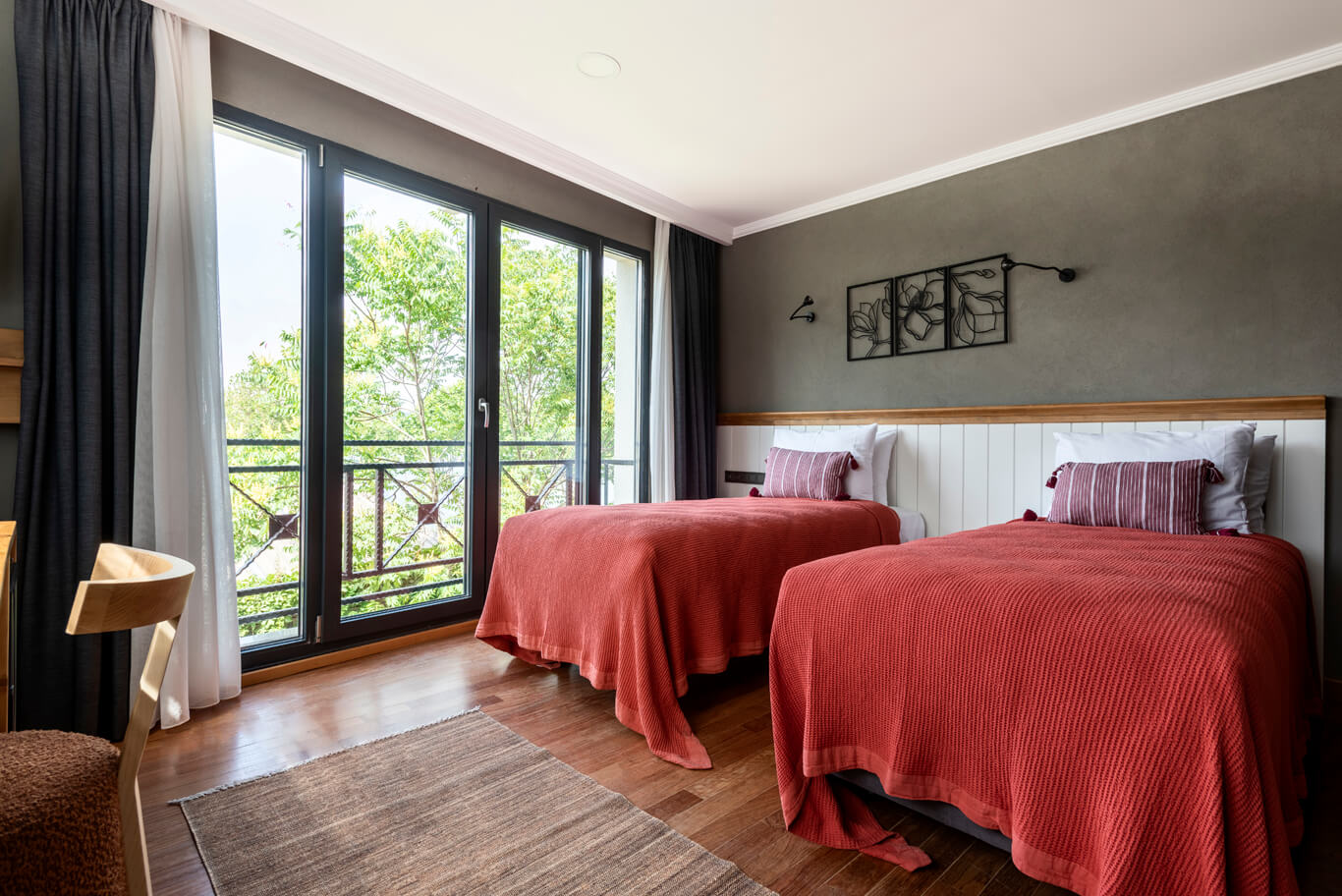
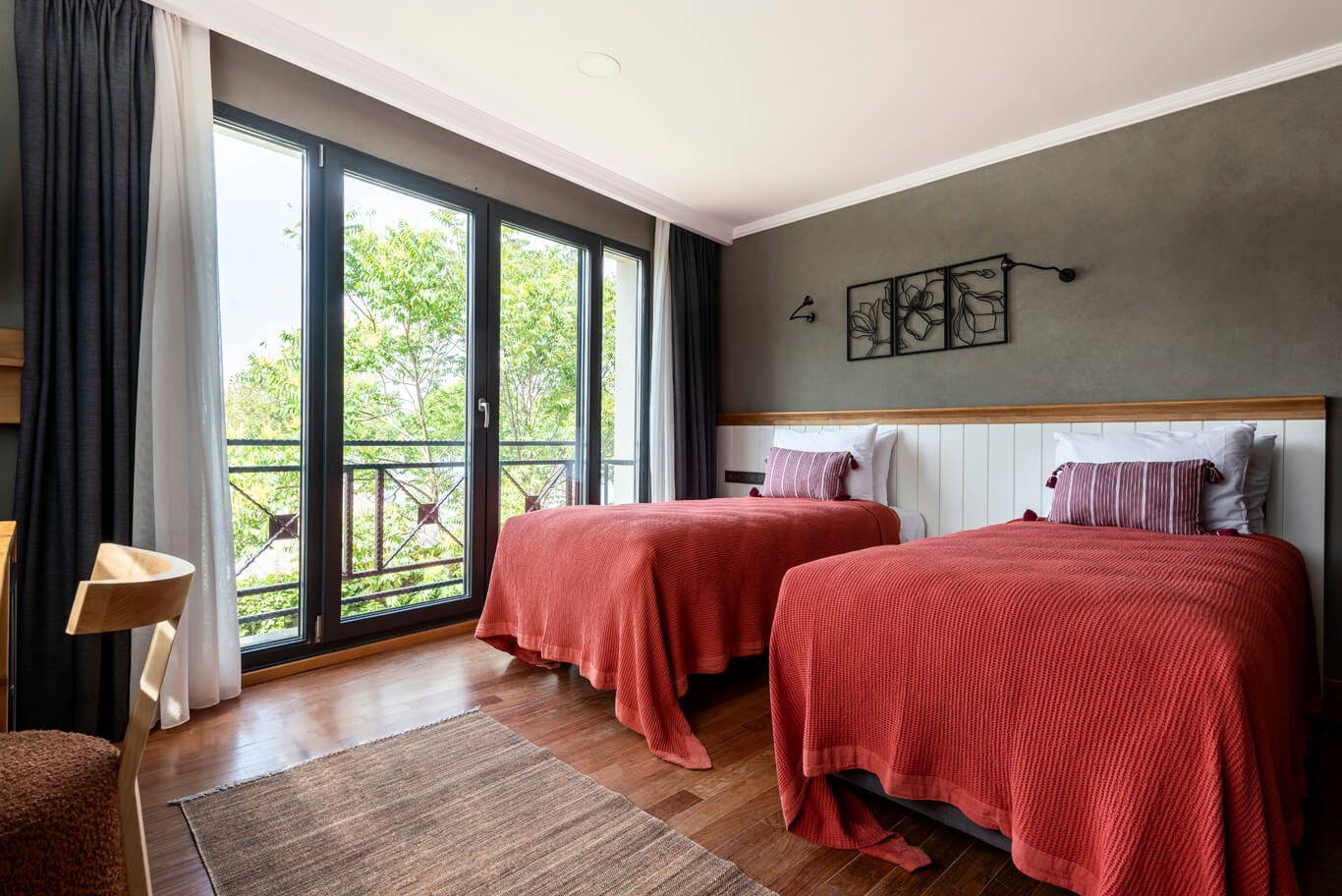
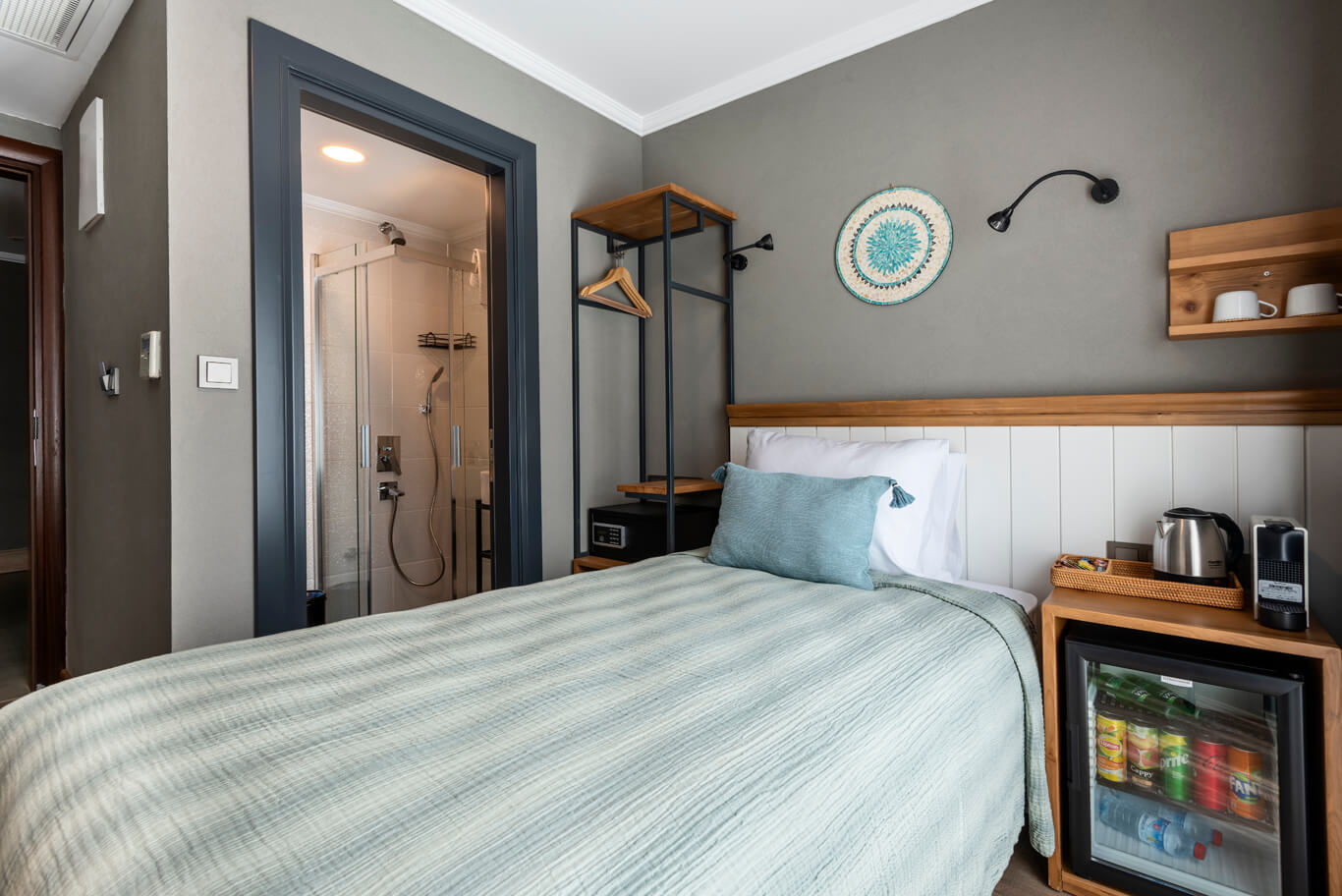
Superior Çift Kişilik Oda Deniz Manzaralı, Petrion Hotel

You may wonder: “What is PETRION?”

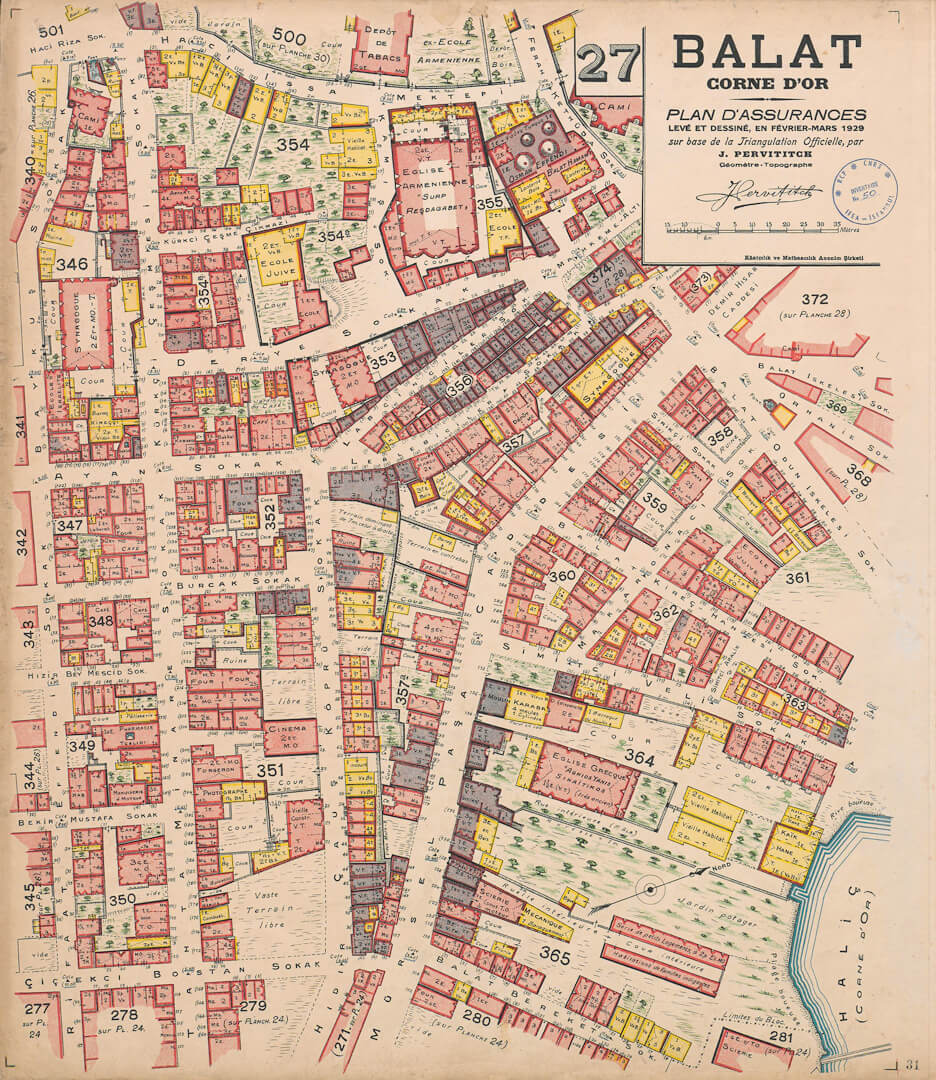
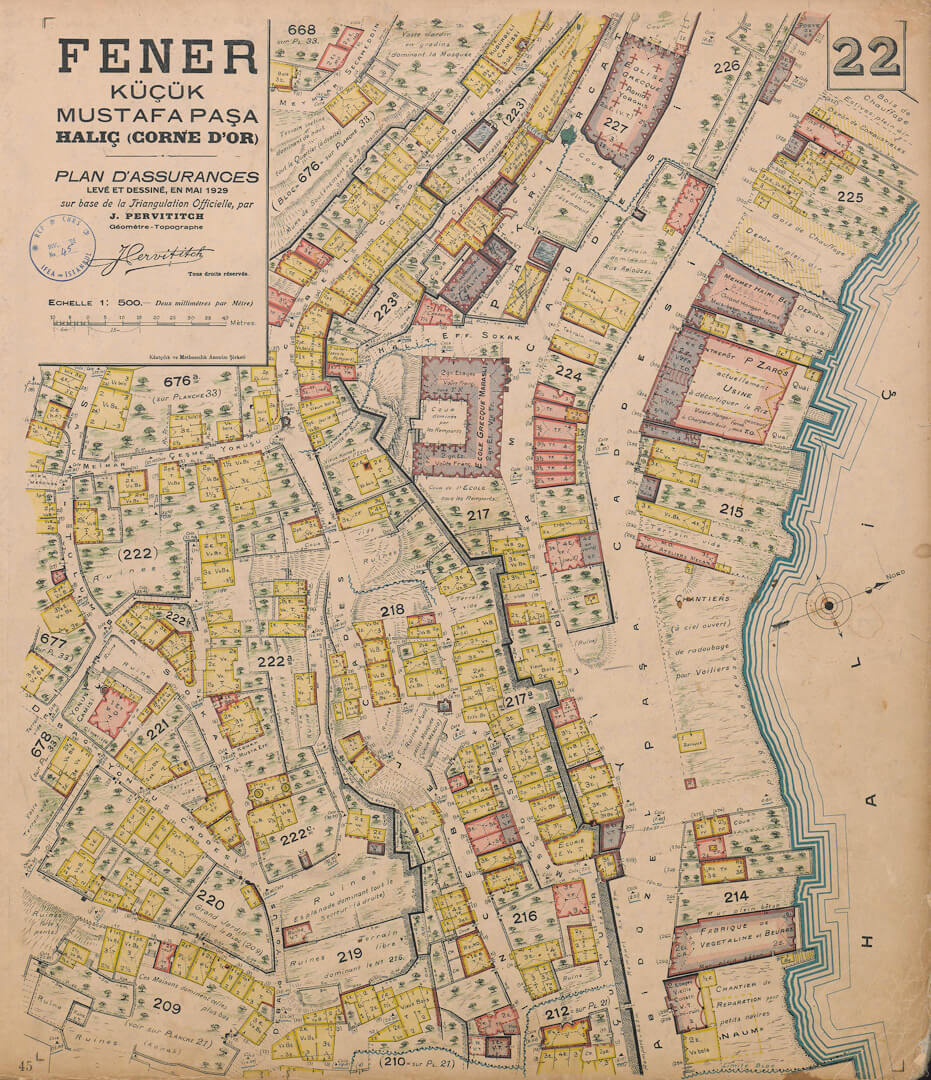
Hundreds of years ago, many ethnic groups co-existed in harmony in this neighborhood: Turks used to live in Cibali, Greeks and even Armenians in Fener, and Jews in Balat. They lived together for many years in this neighborhood, with invisible borders. This must be magic… the magic of the Golden Horn or of Istanbul. Istanbul is a city where many different ethnic groups and people with various backgrounds and religious beliefs live next to one another for many years just like a rainbow brings many colors together…

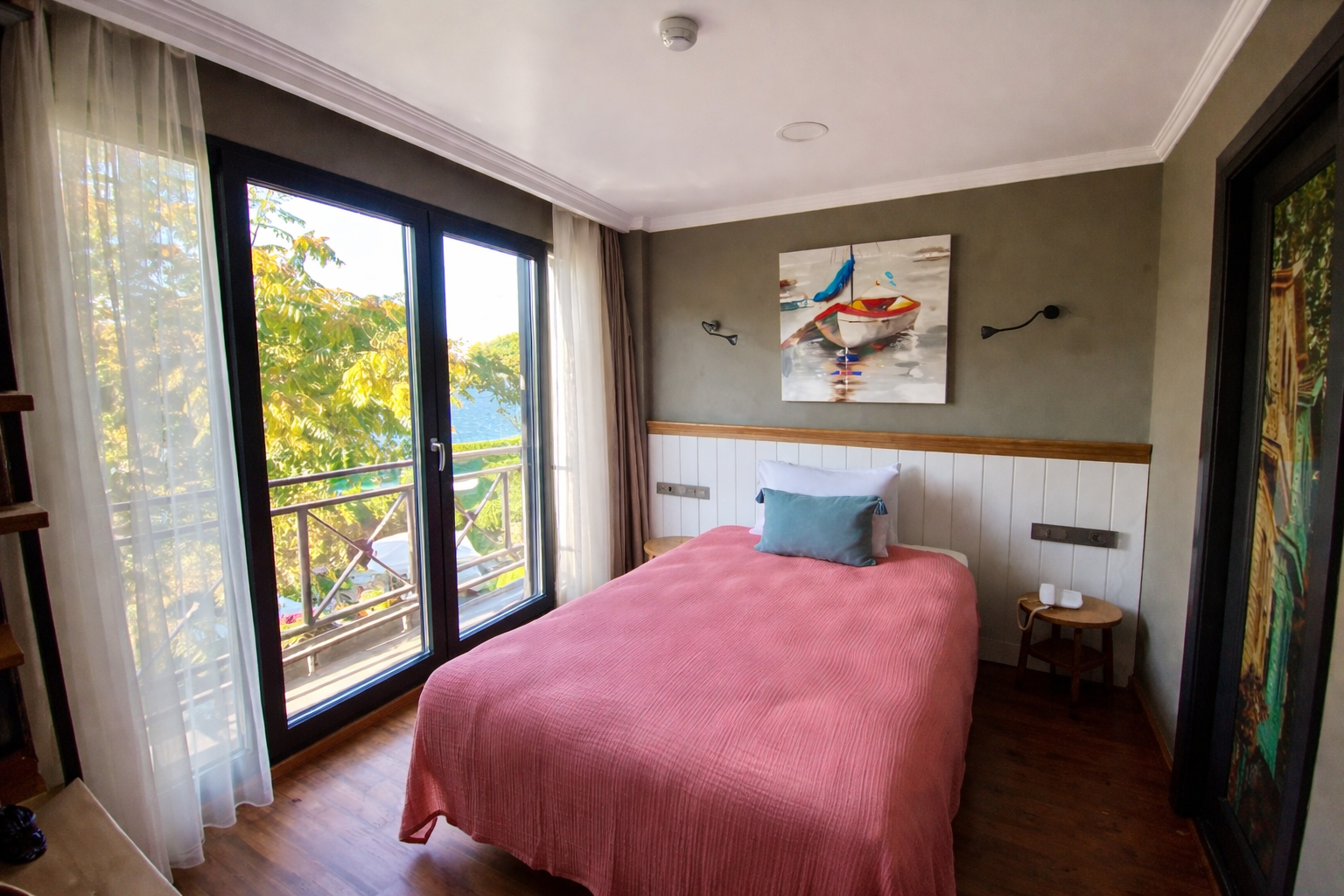
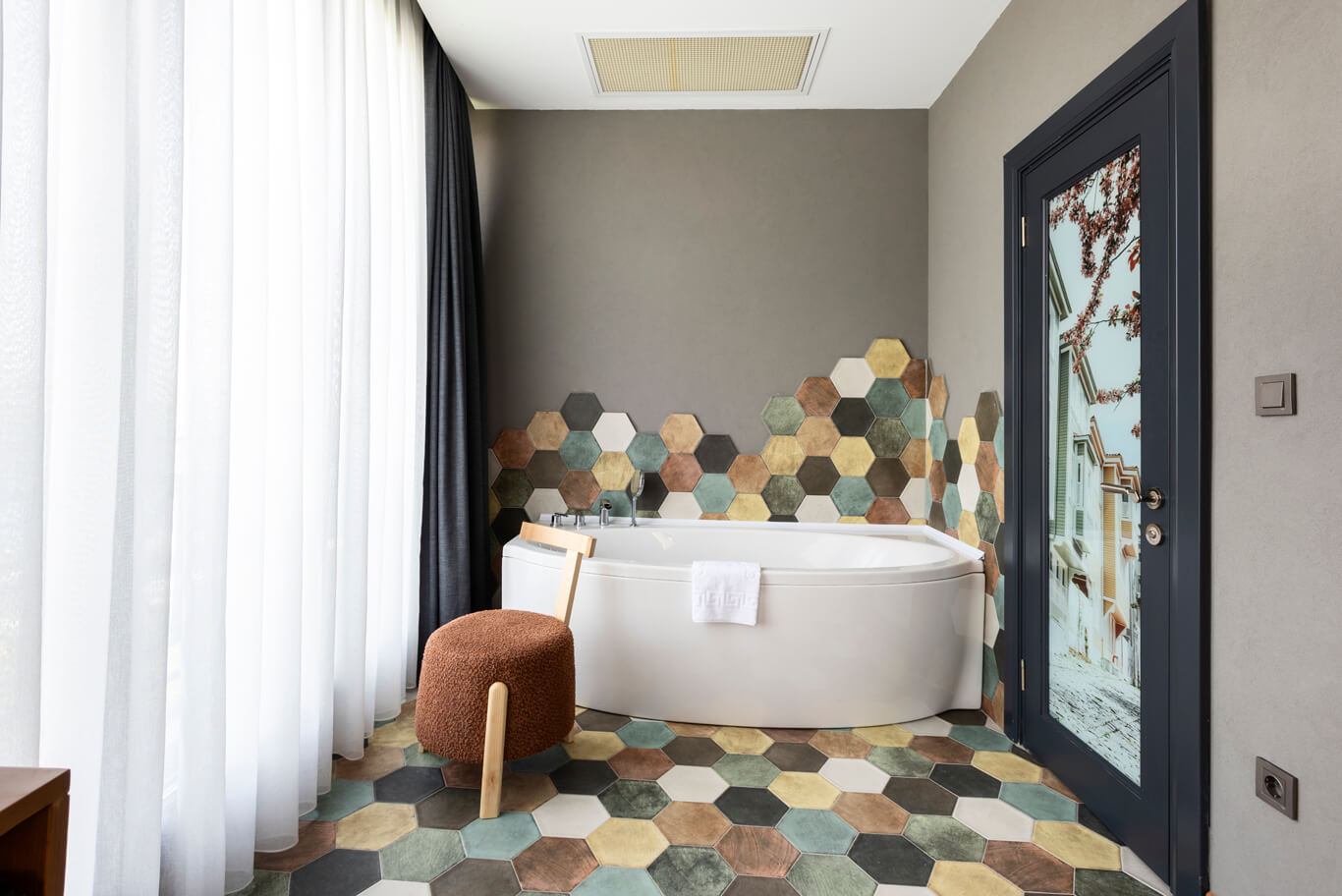
Superior Oda Jakuzili ve Deniz Manzaralı, Petrion Hotel
ISTANBUL
ISTANBUL

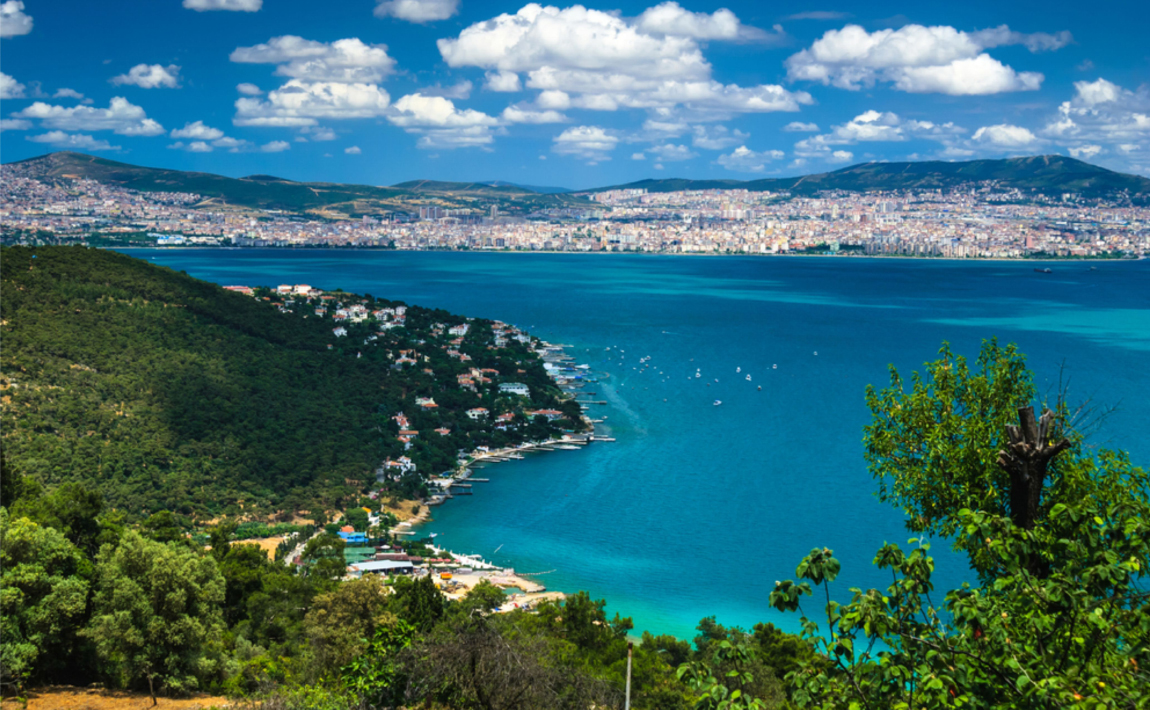
Princes' Islands

The Princes' Islands - also called the Istanbul Islands or the Red Islands (Greek: Πριγκηπονήσια, Prigkiponisia) - are a district and archipelago located off the southern shores of Istanbul's Anatolian side, in the northeastern part of the Sea of Marmara.
The group is made up of nine islands of various sizes along with two nearby rocky islets. Five of the islands - Büyükada, Heybeliada, Burgazada, Kınalıada, and Sedefadası - are inhabited and together make up one of Istanbul's districts.
Princes' Islands
ISTANBUL

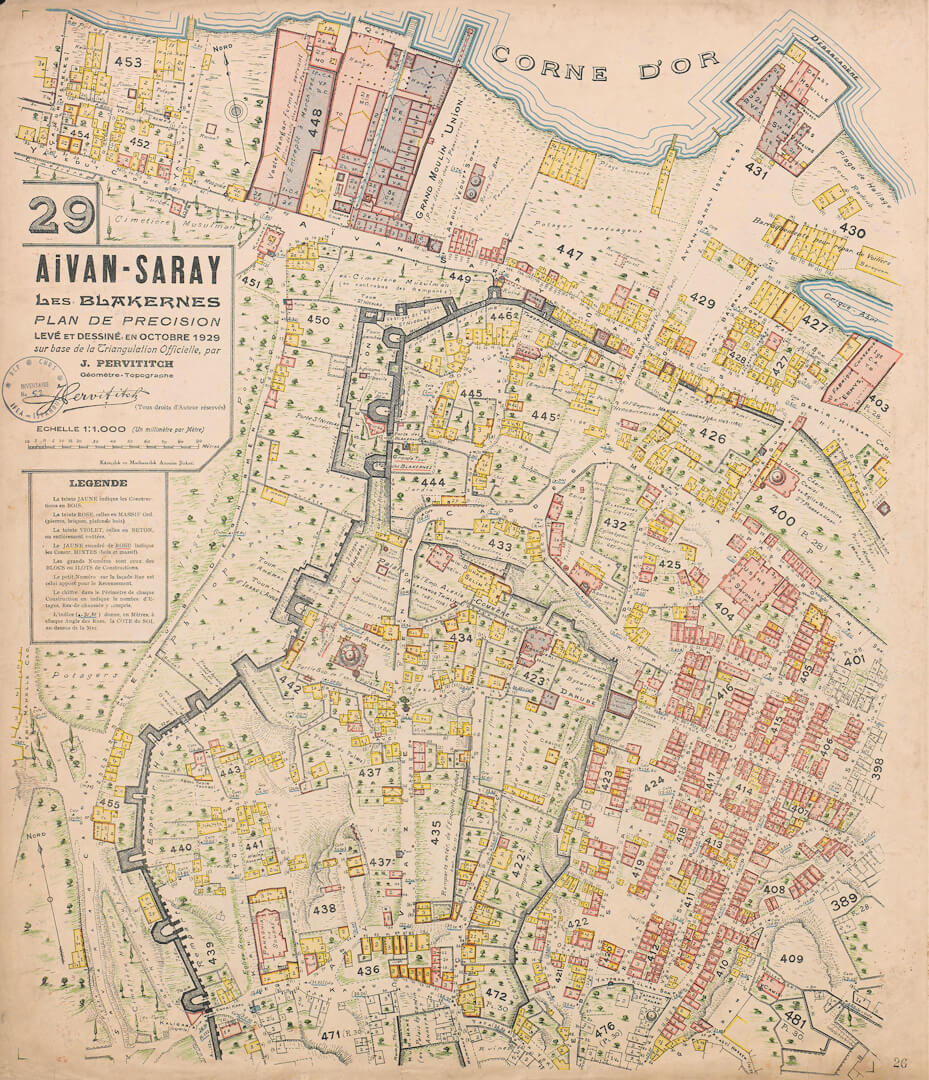
Ayvansaray

Ayvansaray is one of the neighborhoods within Istanbul's Fatih district. Located on the historic peninsula, within the old city walls, it lies along the southern shore of the Golden Horn. It is bordered by Balat to the east, the Defterdar neighborhood of Eyüpsultan to the west, the Golden Horn to the north, and Edirnekapı to the south. Ayvansaray occupies the site of the Byzantine-era district of Blachernae.
Ayvansaray
ISTANBUL

Balat

Balat is a neighborhood in Istanbul's Fatih district, along the Golden Horn between Ayvansaray and Fener. The name comes from the Greek word "palation," meaning palace, a reference to the district's proximity to the Blachernae Palace within the city walls.
Balat
ISTANBUL

Cibali

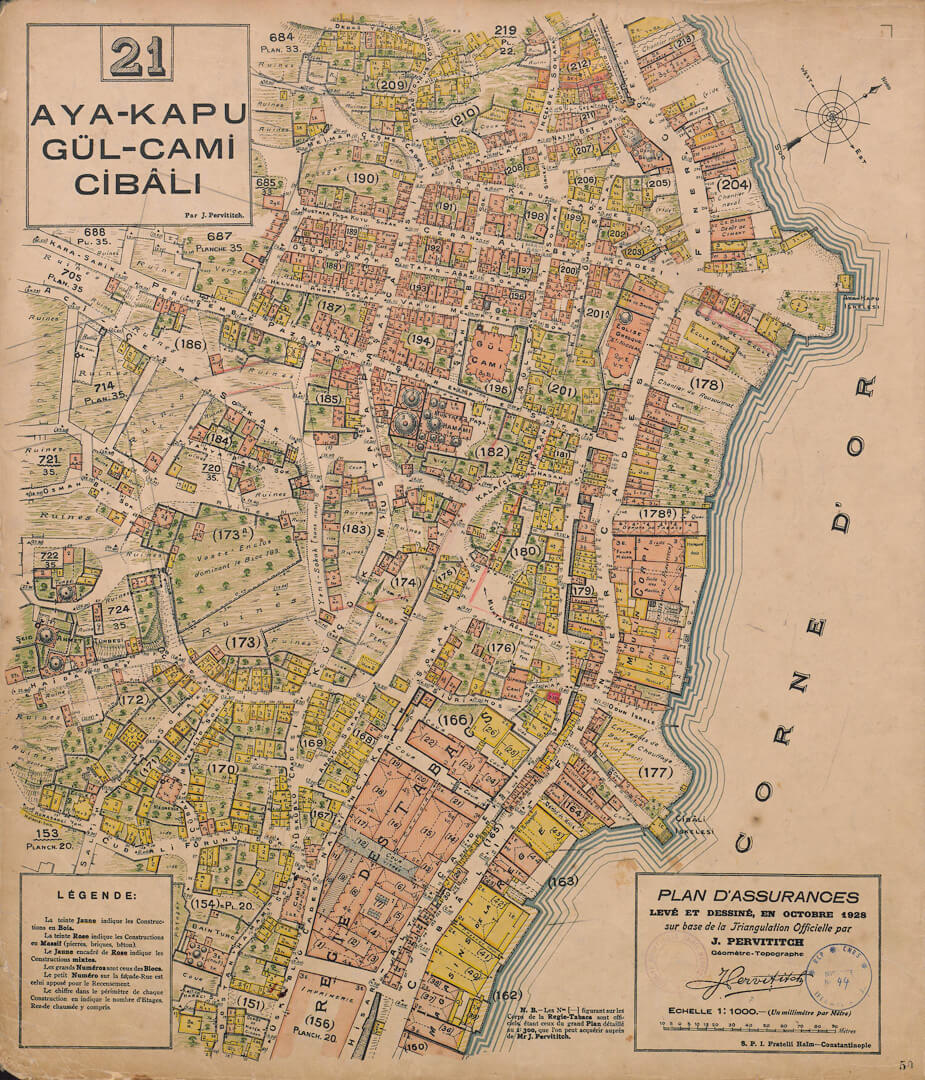
Cibali is a neighborhood in Istanbul's Fatih district, on the western shore of the Golden Horn between Unkapanı and Eyüpsultan, facing Kasımpaşa across the water.
During the Byzantine era, the city wall gate located in what is now Cibali is said to have been known as "Porta Puteae" or "Porta del Pozzo." Pierre Gilles recorded the same gate under the name "Porta Jubalica." These names likely trace back to the Sephardic Jewish community that lived in the neighborhood until the 18th century.
Cibali
ISTANBUL

Eminönü

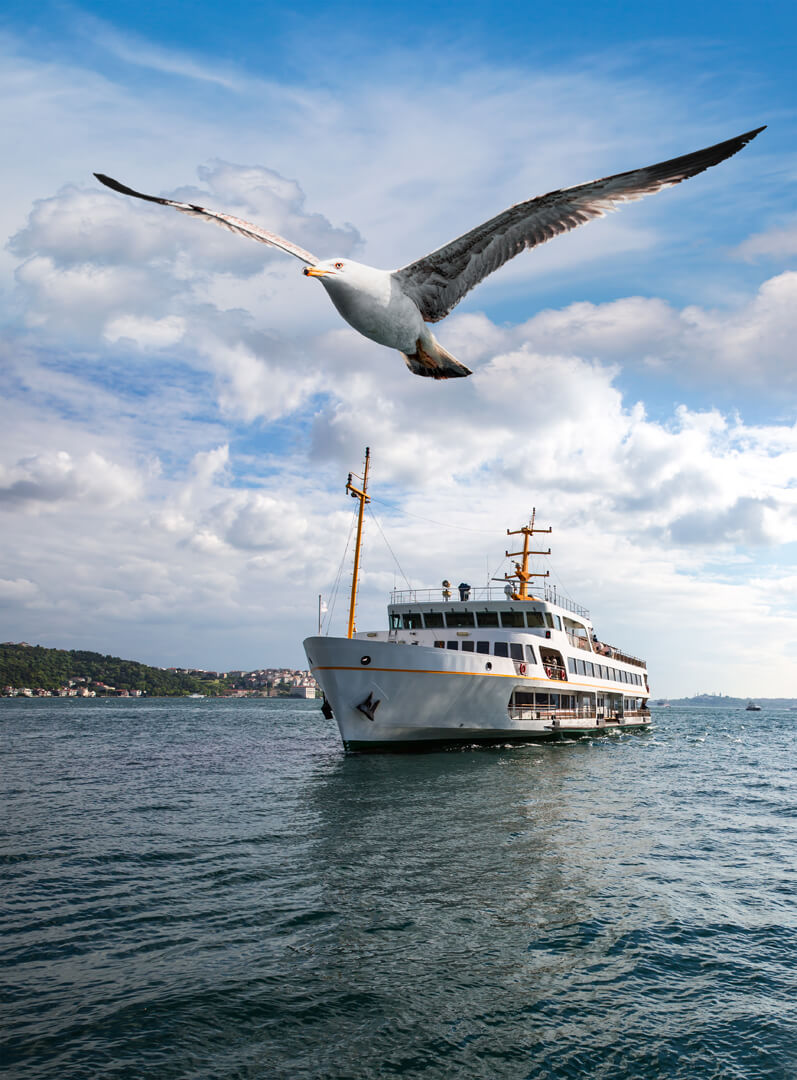
Eminönü is a district of Istanbul on the western side of the Golden Horn, within the area known as the historic peninsula. It remained its own municipal district until March 7, 2008, when it was abolished by law and merged into Fatih.
Located entirely within the old city walls, at the historic heart of Istanbul, it remains one of the liveliest parts of the city center. Its name comes from the Maritime Customs House and Customs Directorate once located there during the Ottoman era, and together with Fatih, it served as Istanbul's central district in the early years of the Republic.
Eminönü
ISTANBUL

Fener

In the charming neighborhood of Fener, sidewalk cafes, bistros serving European-Turkish cuisine, and old wooden houses sit side by side along the streets. Among the neighborhood's small yet striking churches are St. Stephen's Bulgarian Orthodox Church, known as the Iron Church, and the 7th-century Church of St. Mary of the Mongols. Along the waterfront, the Şair Nedim Park offers walking paths and a ferry pier serving boats to other points on the Golden Horn and the Anatolian side.
Fener
ISTANBUL

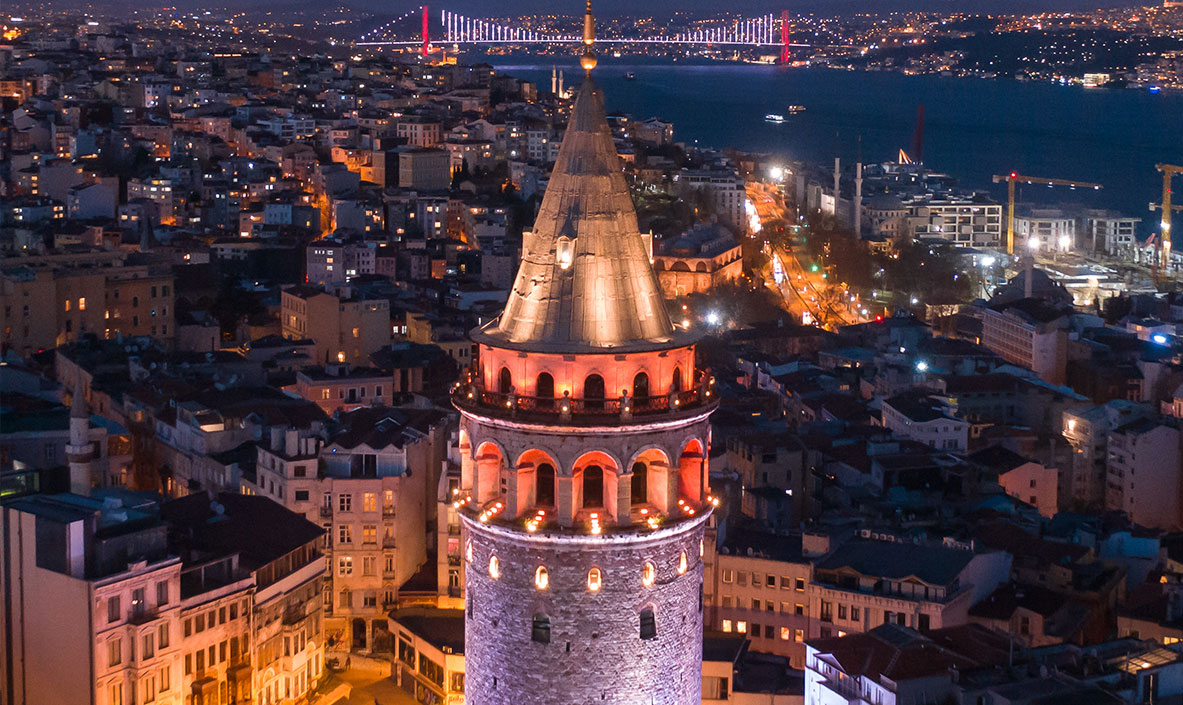
Galata Tower

Galata Tower is the building numbered 2 on Büyük Hendek Street, in the Bereketzade neighborhood of Beyoğlu district. It stands on a hill 35 meters above sea level in the Galata district, which takes its name from the tower. The Romanesque-style cylindrical stone tower rises 62.59 m from the ground to the tip of its roof.
Galata Tower
ISTANBUL

Maiden's Tower

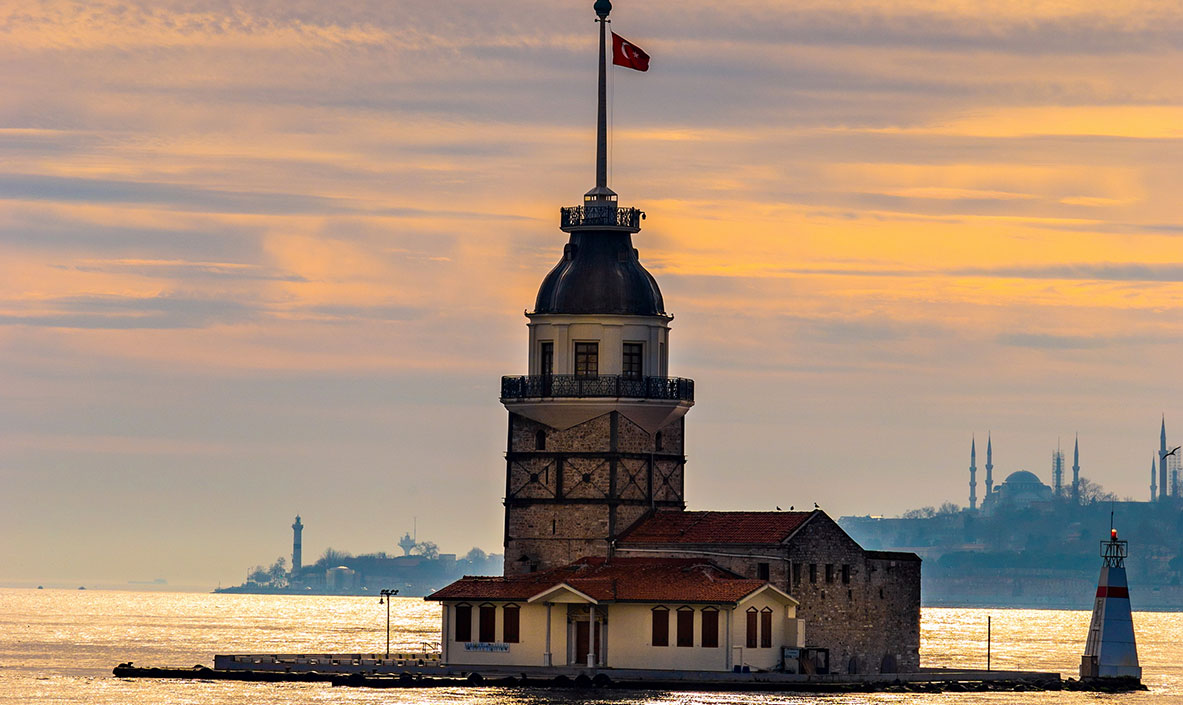
The subject of many stories and legends, Maiden's Tower is a structure built on a small islet off Salacak, in the part of the Bosphorus close to the Sea of Marmara.
Having become a symbol of Üsküdar, the tower is the only surviving Byzantine-era monument in the district, with a history reaching back to around 24 BCE.
Maiden's Tower
ISTANBUL

Kuzguncuk

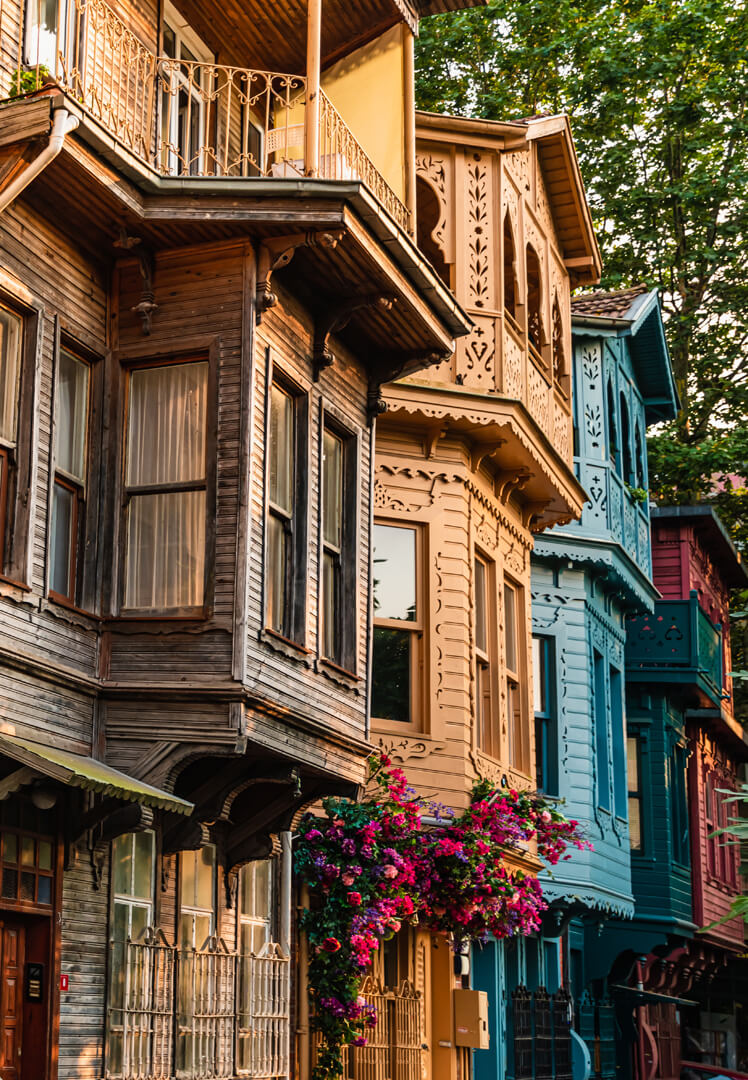
Kuzguncuk is a neighborhood on Istanbul's Anatolian side, in the Üsküdar district. Along the Bosphorus shore between Paşalimanı and Beylerbeyi, the settlement developed along a northwest-southeast axis, within a valley opening onto the Bosphorus.
Kuzguncuk's village-like fabric is made up of row houses, single houses, mansions, and more recent apartment buildings dating from the second half of the 19th century through the early 20th century - the structures that survived the fires the area has experienced over the years.
Kuzguncuk
ISTANBUL

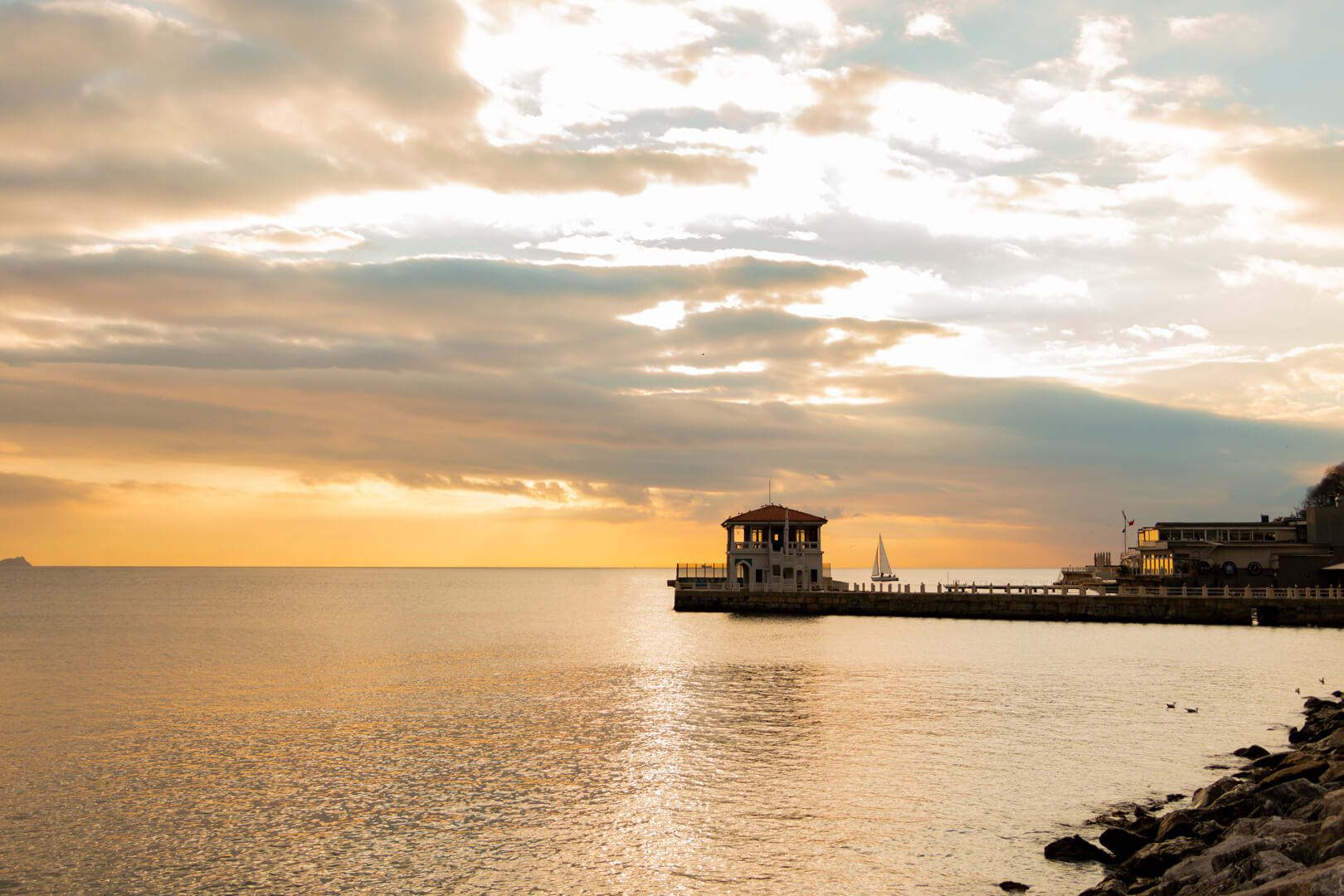
Moda

Moda is a neighborhood on Istanbul's Anatolian side, in the Kadıköy district, facing the historic peninsula across the water. It lies between central Kadıköy and the Kurbağalıdere creek (Yoğurtçu Park). It sits along the route of the nostalgic tram that departs from Kadıköy, and is well known for its ice cream shops and tea gardens.
Moda
ISTANBUL

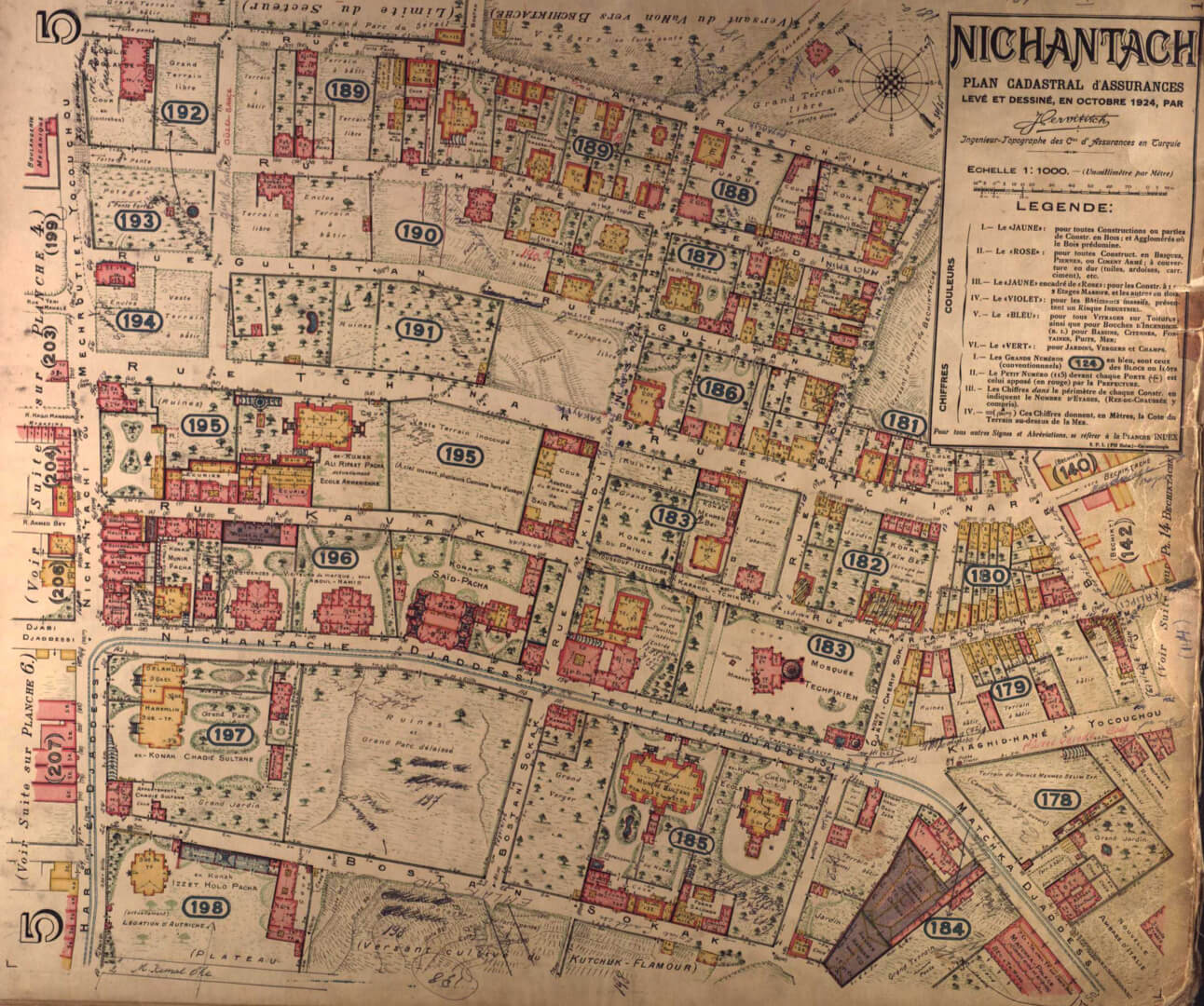
Nişantaşı

Nişantaşı is a neighborhood in Istanbul's Şişli district, centered on a monumental stone marker at the intersection of Valikonağı Street and Teşvikiye-Rumeli Street. It covers the parts of the Meşrutiyet and Teşvikiye neighborhoods surrounding Vali Konağı, and is known for its stores of world-famous brands, its cafes, and its entertainment venues.
Nişantaşı
ISTANBUL

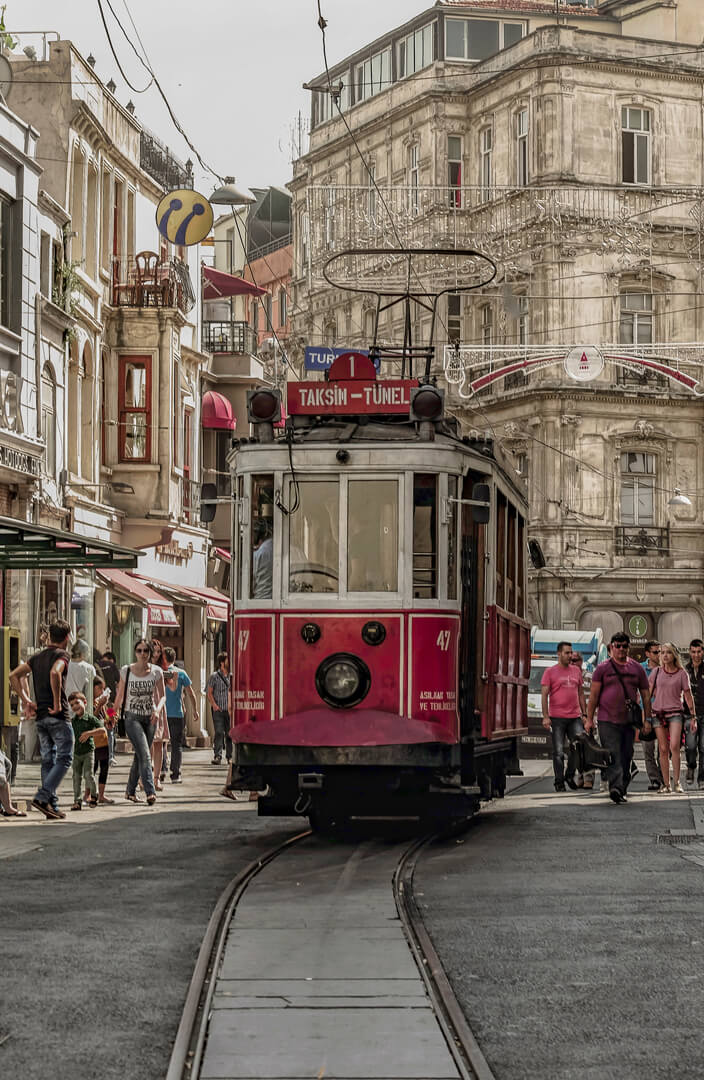
Pera

Beyoğlu, formerly known as Pera, is one of the districts on Istanbul's European side. Bordered by Şişli and Kâğıthane to the northwest, Beşiktaş and the Bosphorus to the east, and the Golden Horn to the south and west, the district covers an area of 8.76 km² and is made up of 45 neighborhoods.
Pera
ISTANBUL

Rumelihisarı

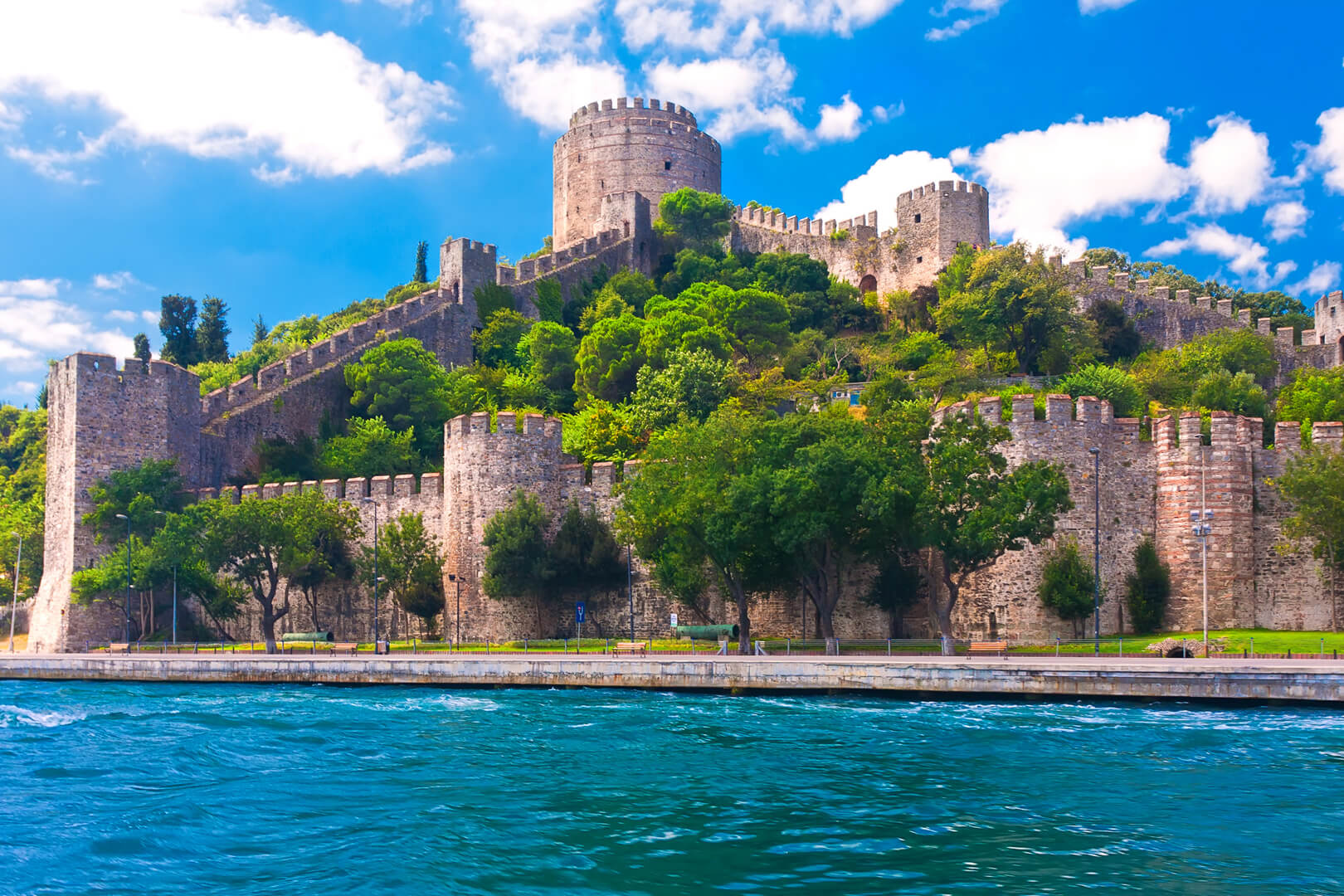
Rumelihisarı (also known as Boğazkesen Fortress) is a fortress on the Bosphorus in Istanbul's Sarıyer district, which gives its name to the surrounding neighborhood. It was built by Sultan Mehmed the Conqueror before the conquest of Istanbul, at the narrowest point of the Bosphorus, to guard against possible attacks arriving from the Black Sea.
Rumelihisarı
ISTANBUL

Sultanahmet

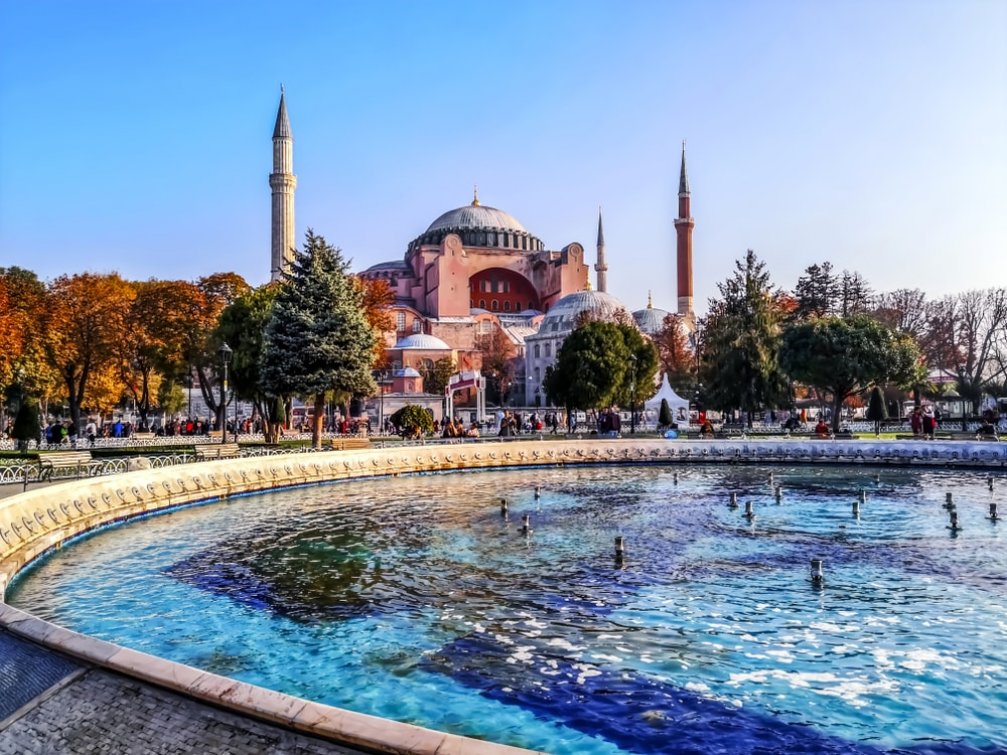
Sultanahmet Square is a historic square in the Binbirdirek neighborhood of Istanbul's Fatih district. During the Byzantine Empire it was known in Constantinople as the Hippodrome, while under the Ottoman Empire it came to be called Atmeydanı (Horse Square).
Sultanahmet
ISTANBUL

Aşiyan

Aşiyan is a neighborhood on Istanbul's European side, part of Beşiktaş district, overlooking the Bosphorus. The word "Aşiyan" comes from Persian and means "home" or "nest."

The area is home to the Bosphorus-view Aşiyan Cemetery and the Aşiyan Museum, once the house of the poet Tevfik Fikret.
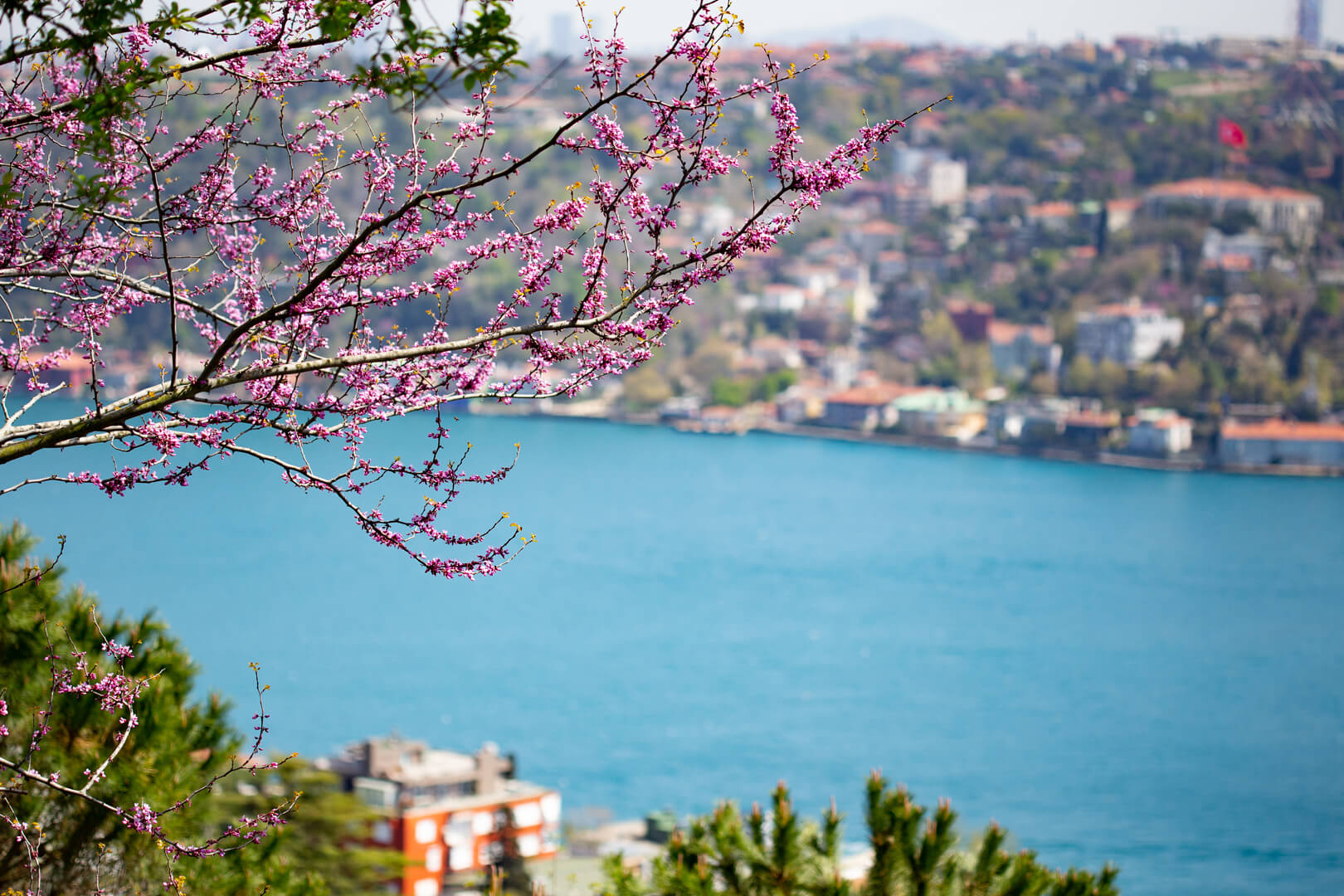
Aşiyan
ISTANBUL

Beyazıt

Bayezid Mosque (also known as Beyazıt Mosque) is a mosque in Istanbul's Beyazıt neighborhood, commissioned by Sultan Bayezid II.
It is considered one of the early works of classical-period Ottoman architecture.
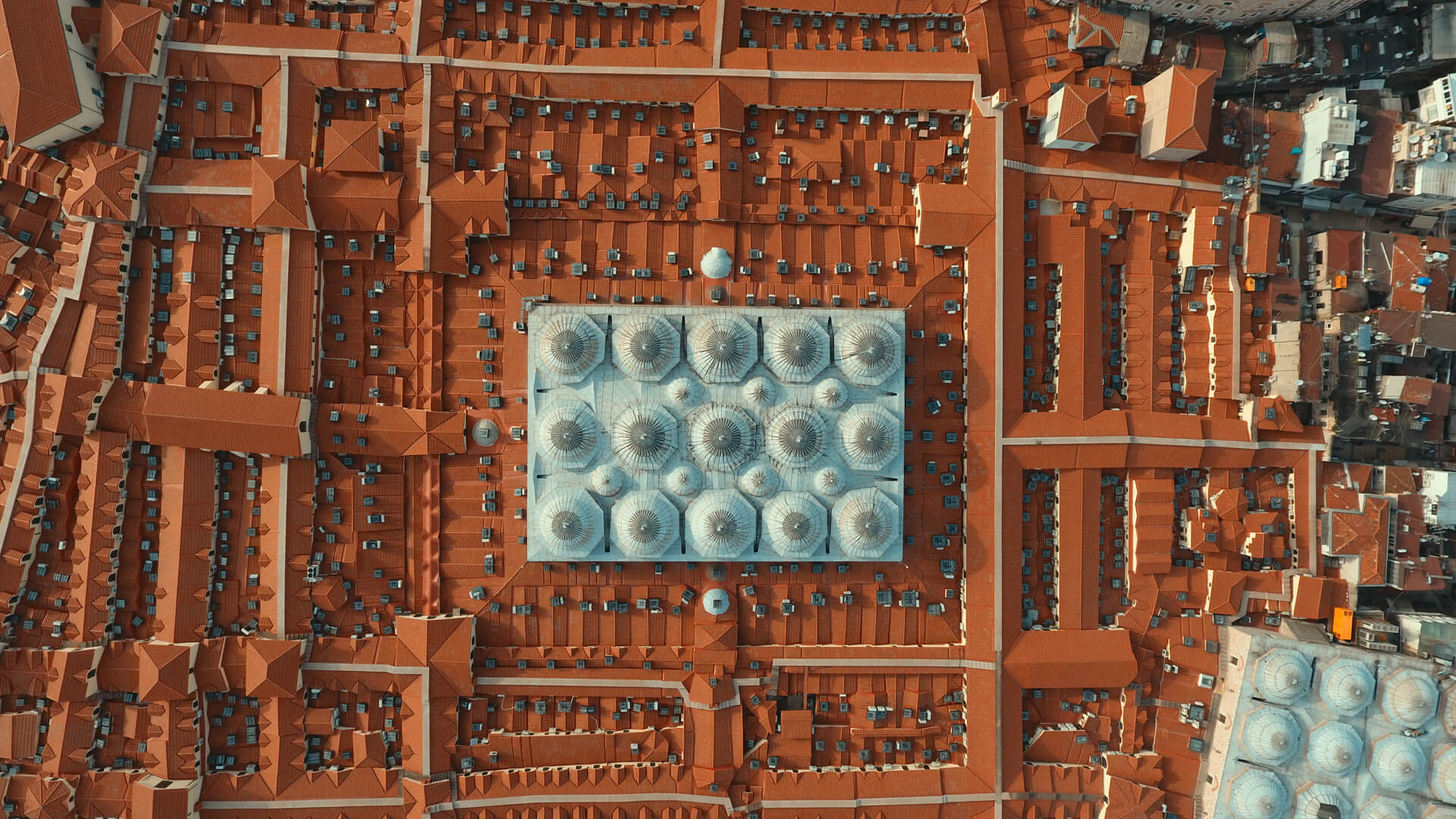
Beyazıt

Revıews of our guests

Privacy NoticePrivacy PolicyCookie PolicyDistance Sales AgreementCancellation and Refund PolicyPre-Information Form
Book Now